
Echocardiogram
Continuous cardiac monitoring solutions to detect irregular heart rhythms and evaluate heart performance accurately and comfortably.
Insight into Your Heart's Health — with Care You Can Trust
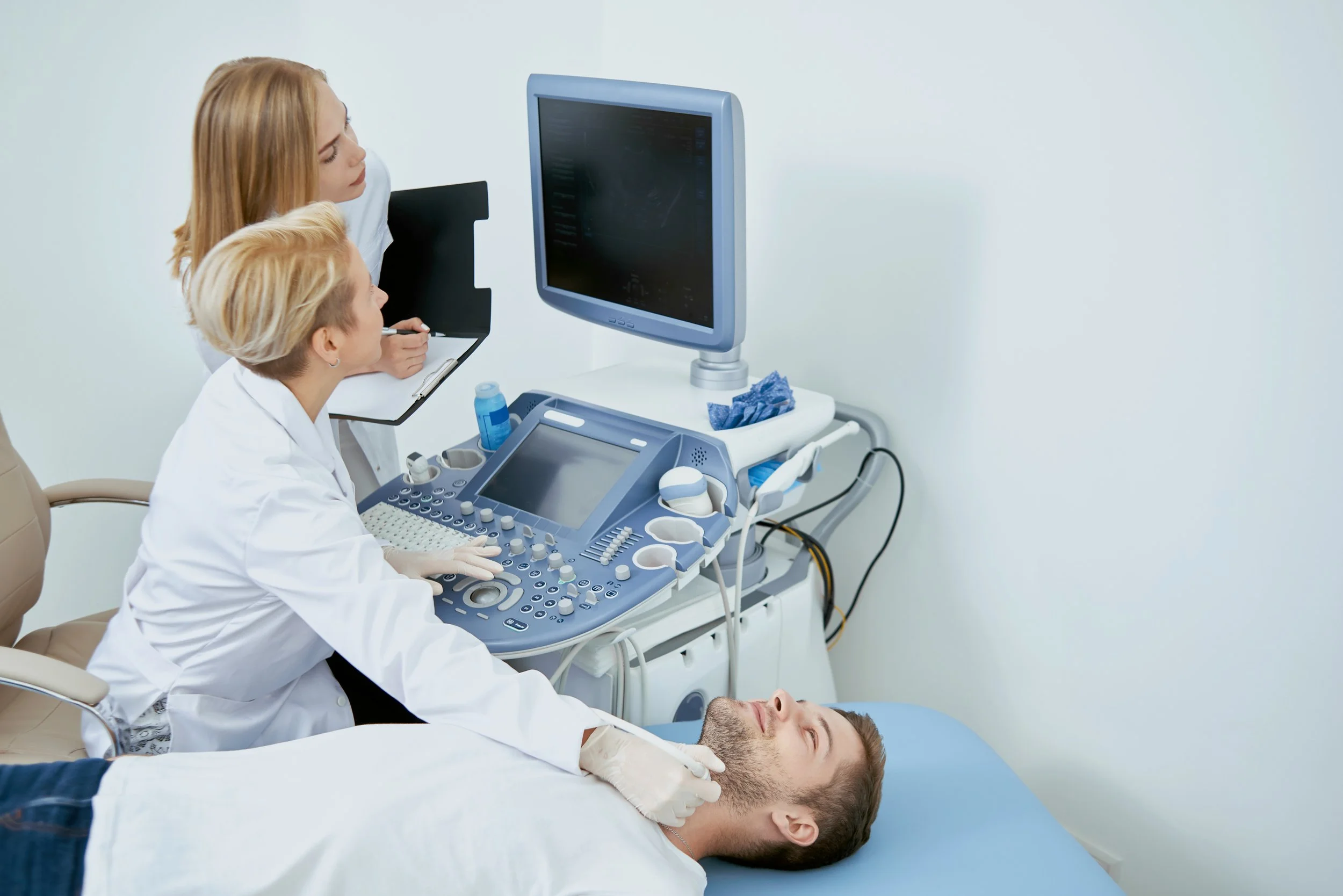
At Southwest Virginia Cardiology, we believe understanding your heart is the first step toward protecting it. An echocardiogram, often called an "echo," is one of the most important tools we use to look closely at how your heart is functioning — safely, comfortably, and without surgery.
What Is an Echocardiogram?
An echocardiogram is a simple, non-invasive test that uses ultrasound (sound waves) to create live images of your heart. These detailed images help our cardiologists evaluate how your heart chambers and valves are working, how blood flows through your heart, and whether there are any signs of structural or functional problems.
Why You Might Need an Echocardiogram
Your provider may recommend an echocardiogram if you have symptoms such as:
- Shortness of breath
- Chest pain or pressure
- Irregular heartbeats or palpitations
- Fatigue or swelling in your legs or ankles
Our Commitment to Patient Comfort and Clarity
At Southwest Virginia Cardiology, we use echocardiograms to gain valuable insights — helping us diagnose early, treat effectively, and prevent complications before they arise.
We understand that medical tests can sometimes feel overwhelming. Our team takes extra care to make your experience calm and reassuring.
Every test is explained step by step, and every result is reviewed in plain language — so you always understand what's happening and why.
Ready to Take the Next Step?
If you have concerns about your heart health or need specialized cardiovascular care, our team is here to help. Request an appointment today and experience heart care led by experts you can trust.
Frequently Asked Questions – Echocardiogram
1. What is an echocardiogram? +
An echocardiogram (also called an echo) is a safe, non-invasive ultrasound test that uses sound waves to create moving images of your heart. It helps cardiologists evaluate how well your heart's chambers and valves are working and how blood flows through the heart.
2. Why might my doctor recommend an echocardiogram? +
Your doctor may recommend this test if you have symptoms such as shortness of breath, chest pain, palpitations, fatigue, or swelling — or if they want to assess heart function, check for valve problems, or monitor an existing heart condition.
3. How does the procedure work and is it painful? +
During the test, a technician places a small device on your chest that sends sound waves into your heart. The echoes create real-time heart images on a screen. It is usually painless, and most patients feel only light pressure from the transducer.
4. How long does an echocardiogram take? +
A standard transthoracic echocardiogram typically takes about 30–60 minutes. Some specialized types, like transesophageal or stress echo tests, may take longer depending on preparation and monitoring requirements.
5. Are there any risks or side effects? +
A regular echo has no known risks because it uses harmless sound waves. You might feel mild discomfort from the pressure of the probe or from gel on your skin. More invasive types may cause mild sore throat or require sedation, but serious complications are rare.